

Quality Beyond the Numbers
A familiar brand, a healthy margin and years of dependable earnings can make a company feel easy to own. They can also make it harder to notice when something has changed. Customers buy less, growth becomes more expensive, or new investments earn less than they used to.
That gap is the quality trap: investors keep paying for durability that the business is no longer demonstrating. Measures such as return on equity or earnings stability mostly describe what has already been achieved. They cannot show whether customers will stay loyal or whether the next investment will be as profitable as the last.
Lindt and the limits of pricing power
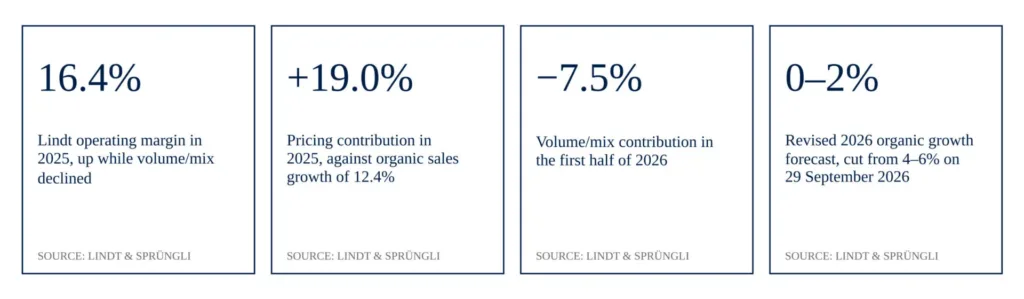
Lindt & Sprüngli shows how this tension can build inside a strong business. Surging cocoa costs led the company to raise prices sharply, and its operating margin kept rising. At the same time, customers bought less. In September 2026, Lindt cut its full-year growth forecast, and in October it changed its chief executive.
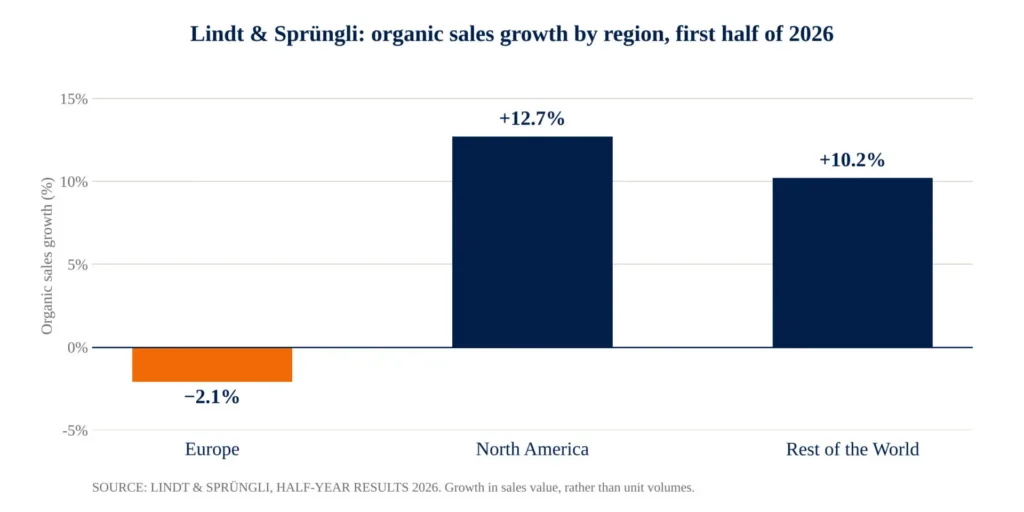
The regional picture explains why group averages can mislead: sales grew in North America and the Rest of the World but fell in Europe. A premium brand does not give management unlimited freedom to raise prices in every market. Permanent damage to the brand is unproven, but the recovery still has to show up in what customers buy.
Conclusion
Quality is not a historical ratio. It is the ability to defend customer demand and to keep earning attractive returns on new investment. For investors, it is important to follow the business beneath the headline ratios and to revise their confidence when the evidence changes.
ADVERTISEMENT
This document has been prepared solely for information and advertising purposes and does not constitute a solicitation offer or recommendation to buy or sell any investment product or to engage in any other transactions.